What to Reflect About as the Year Is Ending?
December 1, 2025
Huy Ing Lay

What to Reflect About as the Year Is Ending?

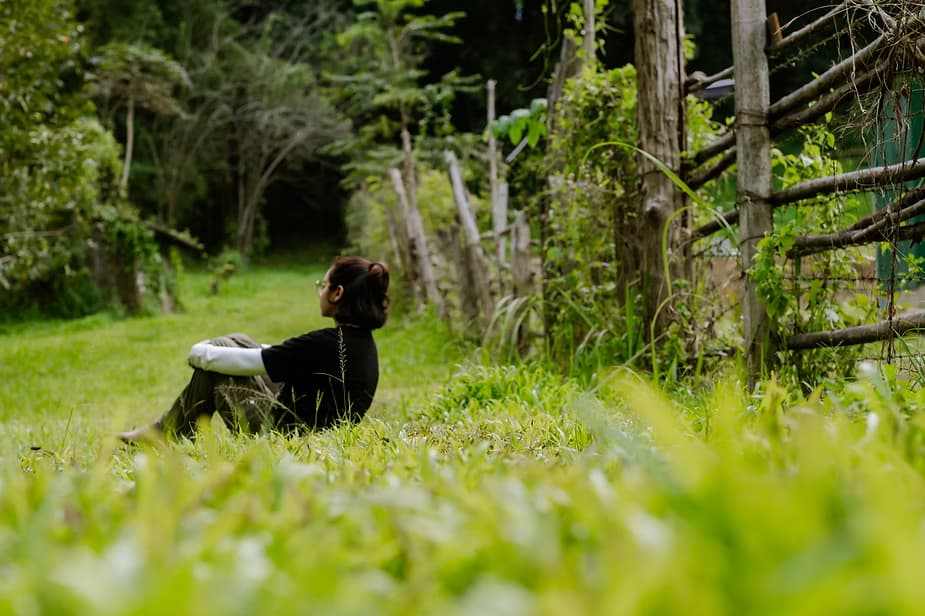
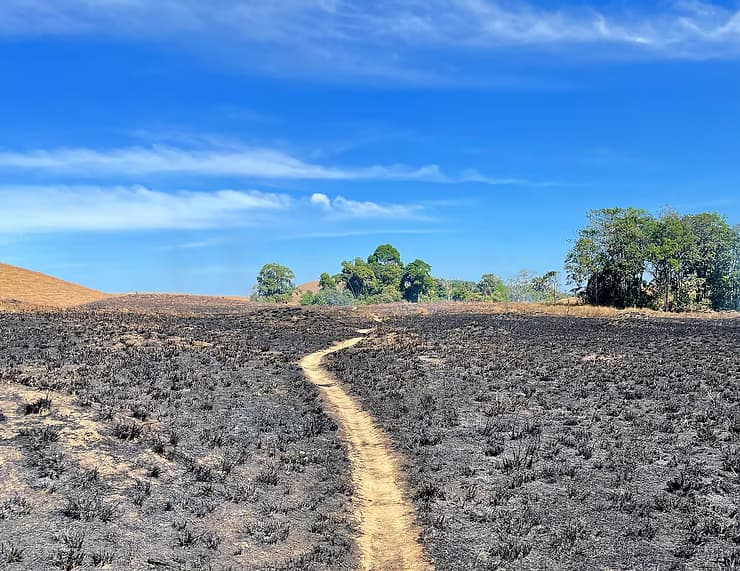
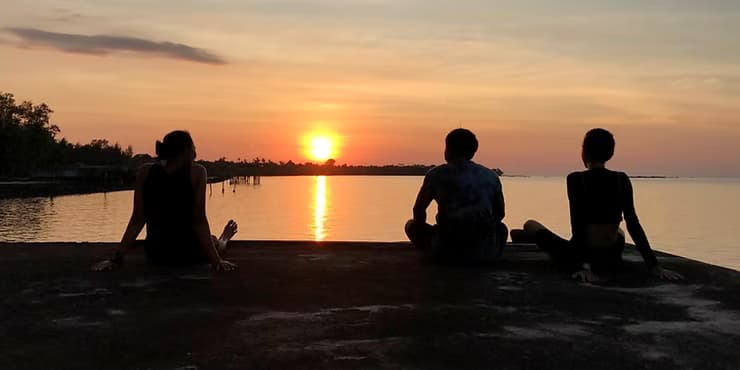
The year rolled by so fast, suddenly it’s December, the last stretch of 2025. And I know that if I don’t pause and sit with myself, I’ll just keep moving without really understanding what has been happening inside me. So maybe this is the moment to stop for a while. To breathe. To look inwards. And if you want, I invite you to do the same. It can feel overwhelming to think about an entire year. Honestly, who has the energy for that? But maybe reflection isn’t about reviewing everything. Sometimes it’s simply giving yourself a quiet moment to notice what stayed with you, what shaped you, and what softened or hardened in you without you fully noticing. Because so much of what changes us doesn’t happen loudly. It happens in small shifts, quiet undercurrents, the subtle ways we respond to life. As the year moves into its last month, return to yourself gently, maybe to sit under a tree, maybe by a window where the light feels kind, or lying on your bed when everything is finally quiet. Let these questions rise slowly, without trying to force an answer. Where did I grow, even if no one else saw it? Not all growth becomes a big moment. Sometimes it’s the slow dissolving of an old fear. The way you didn’t abandon yourself this time. The decision to rest, to walk away, or to speak a truth that felt too heavy in your mouth. Growth can be private. Quiet. Invisible to anyone but you. What did I carry that was heavier than I realized? This year placed things in your hands you didn’t ask for and that can be expectations, disappointments, unspoken sadness, pressure to keep going. Some of these things don’t need to follow you into next year. Some of them deserve to finally be put down. What moments touched something real in me? Maybe a conversation that lingered. A walk in the forest that felt like a breath. A connection that scared you because it woke something inside you. A sunrise or sunset that reminded you of something you didn’t know you missed. These moments are anchors. Let them speak. Let them stay with you. And as you reflect, be honest but kind with yourself. Notice where you could have been gentler, clearer, more courageous and then meet that honesty with compassion. Reflection isn’t about judging yourself. It’s about listening to the truth of your own experience. Some memories might be uncomfortable. Some stories may feel unfinished. There’s wisdom hidden inside the things we avoid, inside the parts of ourselves we are still slowly learning to love. In this gentle looking back, you may find a soft clarity about what you’re ready to carry forward and what you’re finally ready to release.

The Five Profound Lessons I Learnt from Slow Trekking
November 24, 2025
Souheang Ly

The Five Profound Lessons I Learnt from Slow Trekking

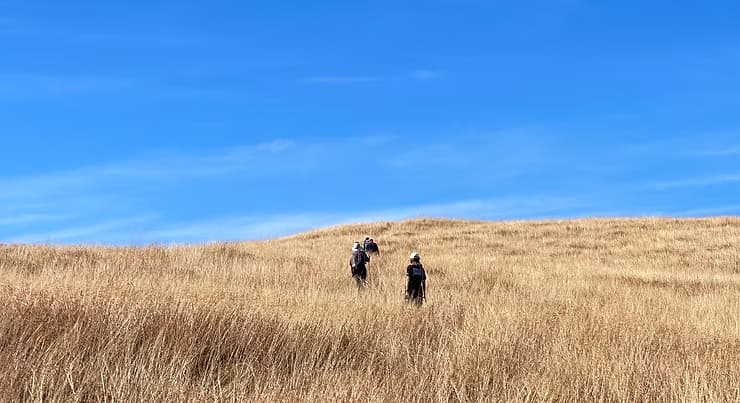
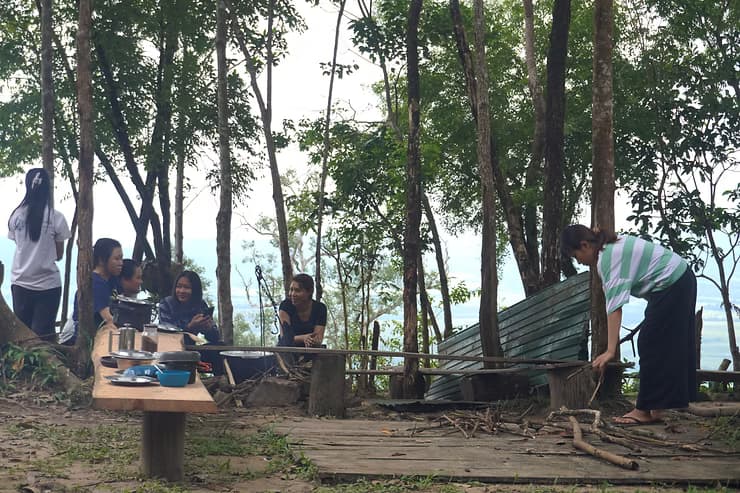
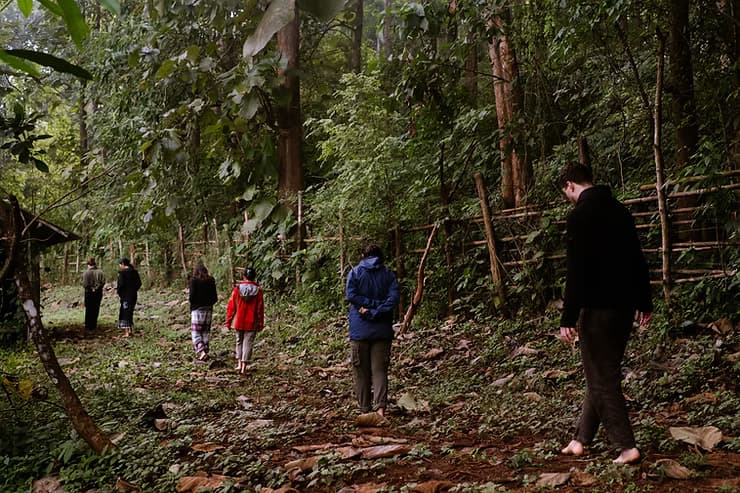
We live in a world obsessed with speed such faster internet, faster commutes, faster promotions. But what happens when we deliberately hit the brakes? That’s the question the philosophy of slow trekking answers. It’s a purposeful counter-movement to the relentless hustle of modern life that I experienced from my slow treks and I would like to introduce it to you! The goal of the unhurried trek isn't about crushing miles or conquering the summit. It’s about shifting the focus from covering distance to truly experiencing the present moment—Being in the Presence. By choosing this gentle pace, I didn't just walk through nature—I truly inhabited it, felt it which helped me unlock lessons that stick with me long after I am back to the human-made world. The fundamental, life-changing lesson of slow trekking is the mastery of mindfulness. In our daily lives, our brains are usually on autopilot, running a loop of planning the future or dwelling on the past. But when the pace is gentle, our goal changes. The summit is irrelevant but the experience of each step is everything. This simple act of deliberate deceleration forces our senses to wake up. I noticed the texture of the soil beneath your boots more than my usual hike/ trek. I actually smelled the damp scent of the forest more and I felt the rhythm of my breathing and heartbeat louder. Anchoring my attention to the present moment trained my mind to develop a heightened awareness of both my surroundings and my inner self. It made my life feel richer and more engaged. If you feel like you’re always "on," you’re not alone. Modern life keeps our nervous system in a state of chronic low-level alert. Slow trekking is the powerful antidote we desperately need. By intentionally ditching the phone and disconnecting from daily pressures, we allow the body’s constant stress response to finally stand down. The slow, rhythmic motion of walking, combined with being deep in a serene, natural environment, signals safety to the brain. This is where the magic happens, your nervous system literally shifts. It moves out of the draining "fight or flight" state and into the restorative "rest and digest" state. The core lesson here? For genuine healing and long-lasting energy, intentional rest is an essential, not a luxury. We can't think deeply when we're rushing because our minds are too busy with practicalities and physical exertion. The gentle pace of slow trekking, however, creates a precious mental vacuum—a space for introspection. The unhurried trek transforms into a form of moving meditation. It allowed my complex thoughts, nagging problems, or overwhelming emotions to surface naturally, giving me the time to examine them without feeling rushed. This intentional slowing creates the necessary mental bandwidth for deep problem-solving and gaining fresh perspectives on life's challenges. The revelation is that clarity doesn't come from frantically seeking external advice; it comes from providing the inner stillness necessary for your own quiet wisdom to be heard. When we "fast trek," nature is often just a pretty backdrop for a workout or an achievement. Slow trekking transforms it into an intimate partner. This change in speed fosters a profound appreciation and bond with the natural world. I started to notice the intricate details such as the tiny lives and ecosystems, the incredible resilience of a single plant, and the connections woven throughout the wilderness. This lesson is one of humility and belonging. By fully immersing myself by touching the rough bark or truly listening to the sound of wind blowing through leaves and moving water—I shifted from being merely an observer of nature to recognizing myself as an integrated part of its flow. This deep connection is a powerful, reliable source of peace. Another most valuable takeaway is the opportunity to reclaim my inner rhythm. Modern life is often dictated by external forces—clocks, deadlines, and notification pings. Slow trekking allowed me to learn the rhythm of nature instead, which is wonderfully deliberate, non-linear, and restorative. Moving at a slower, more deliberate pace taught my mind and body how to align with a more authentic and sustainable flow. I was able to discern between real urgency and the false hurry of the outer world thanks to this realignment. Instead of living at a fast pace, I've learned to set a tempo in my everyday life that genuinely appreciates my energy and well-being.

Lessons from Water: Flow
November 17, 2025
Huy Ing Lay

Lessons from Water: Flow

There’s something quietly profound about the way water moves. It never resists where it’s meant to go. Instead, it curves around rocks, slips through the smallest cracks, and keeps moving, no matter how many times it’s blocked. To flow, for water, is to live. When we watch a river or a stream, or even the still mirror of a pond, we witness the rhythm that guides all living things. Water doesn’t rush to reach the ocean, she trusts gravity, time, and terrain and those are the unseen forces that shape the journey. Flow, to water, is not about speed or direction, but about presence and surrendering to what is, while still moving forward, gently, steadily, at her own pace. In our lives, we often fight the current. We cling to identities, plans, and expectations and we try to control what can’t be held. Sometimes we even swim against our own flow, resisting what already wants to unfold, what needs to let go of. But the more we grasp, the more resistance we create. And water teaches a softer way, a way that dissolves rigidity, loosens control, and returns us to something natural, fluid, and alive within ourselves. Flow isn’t passive, it is an embodied awareness knowing when to yield, when to carve a new path, when to rest in stillness. Like the tides that rise and fall, flow invites us to move with the cycles of our own energy: to ebb when we are weary, to surge when life calls us to act. When we align with flow, we become more like the nature of water herself: adaptable, reflective, resilient. And in that realization, we learn that our essence isn’t lost when we change shape. Whether vapor, wave, or rain, water always remains itself, WATER. And maybe that’s the secret of flow: not forcing life to match our will, but allowing life to shape us gently or sometimes sharply, the way a river smooths stone over time, with patience, with trust and grace. And the journey of flowing isn’t one in a straight line, it’s cyclical. It is changing and moving. The same water that falls as rain might rest in a lake for decades, evaporate into mist, drift as a cloud, and return again. This constant transformation simply tells us that change does not erase us. We can shift, soften, expand and still remain ourselves. And perhaps the most beautiful part of flow is its humility. Water doesn’t need to be seen nor she fights for attention. She simply nourishes everything she touches. When she meets a stone, she polishes it. When she meets fire, she cools it. When she meets soil, she gives life. Flow, in that sense, is not only a way of being, it’s also the very way of giving which is a way of being part of something greater than ourselves. Maybe that’s what water has been teaching us all along: that to live is to move, to yield, to become soft enough to be shaped by life, but steady enough to keep going. To trust that even when we cannot see the ocean, we are still on our way there.

The Relationship of Climate Change and Biodiversity
November 10, 2025
Socheata Chun

The Relationship of Climate Change and Biodiversity

The Earth’s story is one of balance, an intricate web of life woven through time, climate, and evolution. Yet, in recent centuries, this balance has been tested as human influence reshapes natural systems faster than they can adapt. Among the greatest challenges of our time stands the relationship between climate change and biodiversity, two forces deeply intertwined. Understanding how they affect one another is essential if humanity is to protect the living world that sustains us all. The vast circle of life on Earth has been interconnected to balance ecosystems where plants, animals, and organisms offer each other food and energy within the adaptive weather and landscape. Though climate change refers to long-term shifts in temperatures and weather patterns, according to the United Nations, this circle has been disrupted and broken through human activities which result in the current concern of global warming. We, humans in the industrial era, are burning fossil fuels which release greenhouse gases (CO2, CH4, N2O, CFCs) to the atmosphere, trapping the heat in the surface of the Earth and making a warmer temperature. In the recent report, IPCC, 2018: Global Warming of 1.5oC, the temperature rose to 1.5oC warmer and It is estimated to be 2oC or higher to 5oC by 2100 if the current trend continues. In the meantime, “In 2024, the Earth’s average temperature was reportedly 1.5°C warmer than in pre-industrial times.” UNEP, 2025, Emissions Gap Report. Biodiversity Loss in the Climate Change Circulation When the Earth temperature rises higher and warmer the whole ecosystem in which biodiversity plays a key role in its balance is also changed. “Biodiversity is the variety of life on Earth, in all its forms, from genes and bacteria to entire ecosystems such as forests or coral reefs.”, UNEP: Biodiversity-Our Strongest Natural Defense Against Climate Change. The rapid loss of biodiversity sits inside the climate change circle like a shrinking island in a rising tide. Each degree of warming negatively impacts not just the single part of any living thing, seriously, it affects the chain of life in the ecosystem and breaks down the completed puzzle of the ecosystem. Therefore, the threads snap faster than they can be rewoven. The danger grows because biodiversity and climate are partners in a delicate dance. Rich ecosystems store carbon, cool landscapes, and balance water cycles. But when species disappear, nature loses its superpowers. Forests capture less carbon. Wetlands filter less water. Grasslands become brittle and burn more easily. This weakness then feeds more warming, which causes more loss, spinning the circle faster, tighter, and harsher. Can We Break Through this Harmful Circle? To break the circle, we need to give nature space to breathe again. Protect forests before the last old giants fall. Remaining the rising temperature below 2oC should be achieved in the next decades. This action needs all the stakeholders from policy makers, communities and each individual to join in and respect the climate actions. Protecting and restoring mangroves that guard coasts, wetlands that filter more water and forests that store more carbons with foods and shelters need to be in action. Each step of our sustainable living practice such as agro-ecology that keeps soil and biodiversity alive, using clean energy that keeps the air clean without increasing GHGs, and promoting indigenous culture can take part in climate change mitigation. The potential initiative starts from empowering young people and youth to be aware of the crisis and take part in the policy making which positively impacts their generation and the future. Through education with nature-connection and appreciation, young people can be transformed with empathy and compassion for all the living diversities that support each other's harmony and peace of life. Biodiversity as The Earth Survivor In the climate change circle, biodiversity is both the first to be hurt and the key to calming the storm. Without its full choir of species, the world grows quieter, poorer, and far more fragile. With it, the planet has a full potential to heal and survive and that keeps us alive. The relationship between climate change and biodiversity is not a distant or abstract issue, it is the pulse of life on Earth. Every species lost weakens the planet’s resilience, and every tree, reef, or wetland protected strengthens its chance to endure. The path forward lies in collaboration, compassion, and reconnection with the living world that shelters us.

Why Every Family Should Experience Camping Together
November 3, 2025
Nita Hay

Why Every Family Should Experience Camping Together

There’s something magical about being surrounded by trees, breathing in crisp morning air, and listening to the gentle sounds of nature. My first camping experience in the forest was truly transformative. It reminded me how healing and grounding nature can be and how important it is to pause, breathe, and simply be present. Since then, camping has become one of my favorite ways to recharge and reconnect with myself and with Mother Nature. That experience also deepened my desire to connect my children more closely with the natural world. I believe every child deserves to explore, wonder, and learn from nature that is the greatest teacher of all. When children spend time outdoors, they become curious, resilient, and creative. They learn teamwork by setting up tents, confidence by trying new things, and mindfulness by noticing the world around them. These small lessons shape them in ways no classroom can. In today’s fast-paced world, moments of genuine connection are becoming rare. We spend so much time in front of screens that we often forget the simple joy of being fully present with ourselves and with one another. That’s why I’m so inspired by family camp which is a beautiful initiative encouraging families to step outside their routines, embrace the outdoors, and strengthen their bonds through shared adventures. Family camping is more than an outdoor activity, it’s an experience that nurtures gratitude, togetherness, and perspective. It reminds us that happiness doesn’t always come from comfort or convenience, but from shared laughter under the stars and the warmth of connection that only nature can bring. It’s also a time to slow down and work together such as setting up tents, preparing meals, collecting firewood, or planning a short hike. These simple tasks become meaningful moments of teamwork and learning. Children see how everyone contributes, parents get a chance to be fully present, and families grow closer through shared effort and discovery. Without the usual distractions, there’s space for real conversations, problem-solving, and laughter that comes naturally. By the end of the trip, what stays with us isn’t just the beauty of nature, but the sense of connection we’ve built together. So to all parents: let’s give our children the gift of nature. Let’s allow them to climb trees, follow trails, and sit quietly by a river. Let’s show them that wonder still exists beyond the screens, and that peace can be found in the sound of wind through the leaves. It might just be the most memorable and meaningful classroom they’ll ever have.

The Burden of Being a Man: Unlearning the Silence Around Mental Health
October 27, 2025
Keo Sar

The Burden of Being a Man: Unlearning the Silence Around Mental Health

Mental health has a paradox problem: We don’t talk about it until it becomes unhealthy and there are consequences as a result of it. It is beyond clear that this needs to be solved, and while the solutions might be clear, what is not clear is how to effectively implement them. I will first start with a story. No, it’s actually a reality; a tragedy that illustrates the paradox. I woke up to a text message in October 2021 that my cousin, Tony, had taken his own life. As it was quite early in the morning I thought, and hoped, that I was dreaming. Or perhaps the right description, a nightmare. I put the phone down and didn’t pick it up again until about an hour later, hoping what I read had been just a nightmare. Unfortunately, I was wrong. Tragically, my cousin had indeed taken his own life and my world went dark. I had many questions without any answers. I had spoken to him the weekend before via text. I was trying to help him get an interview at a company I was previously employed at, as he had been job hunting for several months up to that point. I didn’t detect anything during our exchange that compelled me to take any actions that may have saved his life, but such is the nature of text messages. Much context and meaning can be lost, which is now a major reason why I prefer to have live conversations, especially when it’s a hard or sensitive topic. The nuance tends to live in live conversations. And in the aftermath of sinking into the reality that my cousin was no longer with us, my memory rewound to a few months earlier when I got a text from him asking to speak, which was rare. In fact, I can’t remember a time when he specifically asked me to have a call. We either texted or would just call each other. During this conversation, I could sense the distress, uncertainty, and angst in his voice. In short, he was lost and was seeking advice. The specific questions he asked were, “How do I find my purpose in life? How do I know I’m doing what I’m supposed to be doing?” I can’t recall what my response was, but I do remember the feelings it gave me: Shocked, stunned, and worried. Tony was one of the strongest people I knew and always seemed to be in control of his life and the things he was doing. He was one of those people others would come to for help and advice, and I don’t know if he ever turned down anyone, which is why everyone loved him. The lesson there: Sometimes (maybe oftentimes) the strongest people we know are also the ones that need help the most but are the quietest about it. For months after getting the fateful text message and attending his funeral, the main question I kept asking was, “Why?” It’s a simple question with many uneasy answers. And I came to the conclusion that it matters most to me only in the context of trying to prevent this from happening to someone else. Tony left a note and there are probably only two to three people who know the full contents of that letter; I’m not one of those people. I’ll never know what the full letter read, but what I know of it was something to the effect of, “I can’t fight these demons anymore and no one can help me.” As I reflected on his passing, trying to find meaning in it and pondering what I could extract from it to carry forward with me and share with the world, several themes or topics came to mind: The pressures of being a ‘man’ in many societies and how taboo (frowned upon) it is still to talk about your feelings, especially negative ones, and your struggles. To an external observer, and clearly to those in his life, Tony would have seemed to ‘have it together’. It is now clear that was not the case. He had many responsibilities and people who depended on him, real or imagined. In many societies and cultures a man’s main responsibility is to provide; his value is derived from his ability to be a provider and take care of the people around him. The pressure can be daunting and relentless. It seems for Tony the pressure to be the provider everyone expected him to be became too much and he didn’t think anyone could help him relieve that burden, so he saw no other way out but the ultimate one. A reflection that ate away at me for a very long time was, why didn't Tony come to me to talk about it? The conclusion I came to is, it is the same reason why I didn’t talk about it for a very long time as well. It is not how we were raised and it’s not within our cultural norm. I’m Cambodian; Tony was half Cambodian and half Thai, both the children of refugees. We did not grow up talking about our feelings nor taught to express ourselves, especially about the negative emotions that, built up over time, typically lead to anxiety and depression. In a sense softly and silently killing ourselves, until it becomes too late and loud in the worst kind of way. I have had to unlearn those cultural norms and what I learned from how I was raised. Going to therapy, learning how to have courageous (uncomfortable) conversations, and finding people within my life who are willing to take the time to have those delicate and hard conversations has helped me tremendously on my own healing journey. I’m not a therapist. Just someone who has battled through my own bouts of anxiety, darkness and heaviness and I share some pieces of advice that are meaningful for me and hopefully meaningful to those who read this: Just because you care doesn’t mean you have to carry it. You don’t have to carry the weight of expectations. You don’t have to carry the weight of others’ opinions or pieces of the past that you might be tied to. All of it can go. If it matters, move towards it and trust your ability to navigate. Put on your own oxygen mask first. Take care of yourself first to give yourself the capacity to take care of others because the world needs you. And it needs the real you, with all of your flaws and blemishes. Remember this always: People will be changed forever because you existed and because you chose to live your life fully and authentically. You’re not alone in this. Trust that people are here for you. Find the people who will be there for you. Next time someone tells you, let them know if they need anything, take them up on it.

Articles | Yep Academy